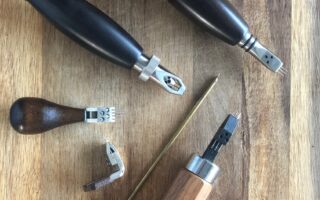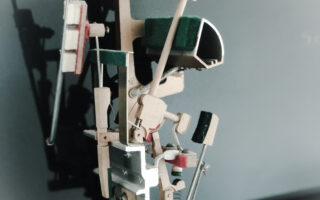
Piano regulation refers to the process of adjusting the mechanical components of a piano’s action (the internal mechanism that connects the keys to the hammers and dampers) to ensure that the instrument plays properly, evenly, and responsively. It is a critical aspect of piano maintenance that directly impacts how the piano feels and performs under the pianist’s hands.
What is a Regulated Piano?
Piano regulation involves several key components:
- Key height and key dip – Ensuring each key rests at the correct height and travels the correct distance when pressed.
- Hammer alignment and travel – Ensuring hammers strike strings squarely and move in a consistent, efficient path.
- Let-off – Adjusting the point at which the hammer disengages from the key (just before it strikes the string).
- Repetition springs (in grand pianos) – Adjusting so notes can be rapidly repeated with precision.
- Dampers – Ensuring dampers lift off and return to the strings at the right time and uniformly.
- Touch weight and balance – Adjusting to achieve a consistent resistance and response across all keys.
- There are approximately 15-18 such steps involved in a complete regulation process, for full details, please do make an inquiry and we’ll be happy to serve.
🎯 Why Is Piano Regulation Necessary?
- Restores responsiveness
Over time, felt, leather, and wood parts compress, swell, or wear down. This causes unevenness, sluggishness, or excessive looseness in the keys. - Ensures dynamic control
A well-regulated piano allows for a wide dynamic range—from pianissimo to fortissimo—giving the player expressive control. - Improves consistency
Without regulation, some keys may feel heavier or lighter than others, or sound different even when played the same way. - Prolongs the life of the instrument
Poor regulation can lead to inefficient hammer strikes and uneven wear on strings and felts. - Necessary after major repairs or changes
Regulation is often required after voicing, hammer replacement, restringing, or significant climate-related changes.
🛠️ How Often Should It Be Done?
- Light use: Every 3–5 years.
- Professional or heavy use: Annually or more.
- After a rebuild or major repair: Always regulated before delivery.
- A new piano often needs regulation after the first year as parts settle.
🎵 Bottom Line
Piano regulation is essential for any pianist who values precision, consistency, and responsiveness. It’s not the same as tuning (which adjusts pitch), but equally crucial for making a piano play at its best.